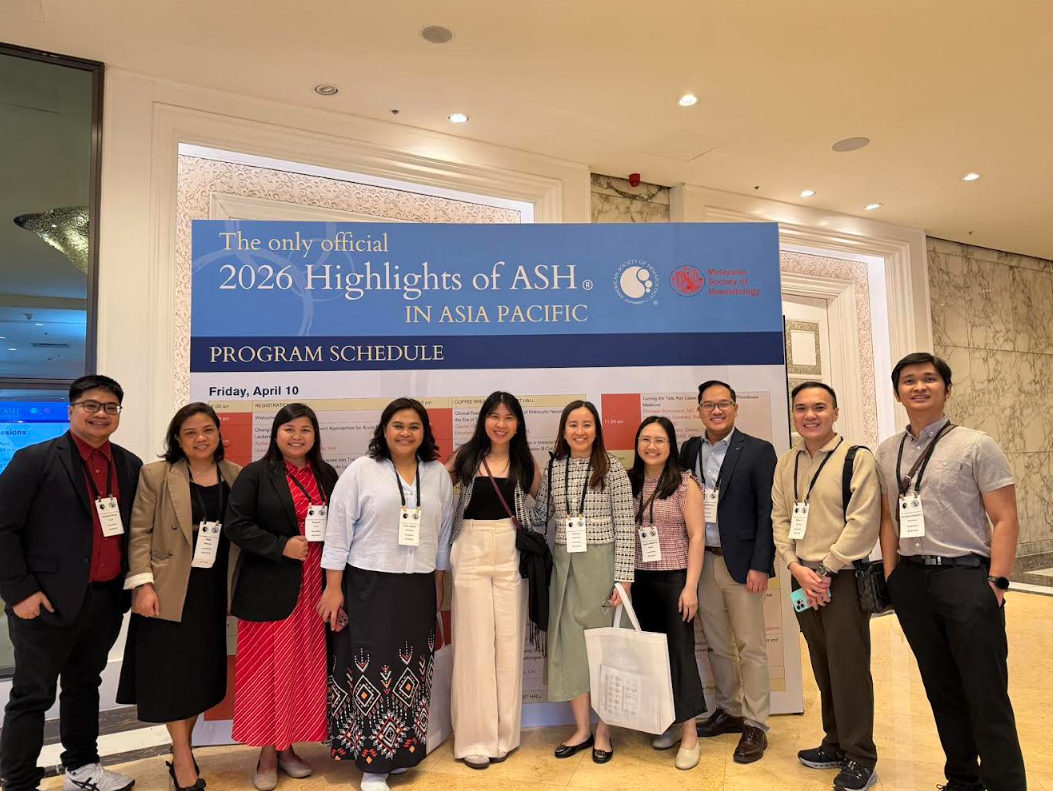
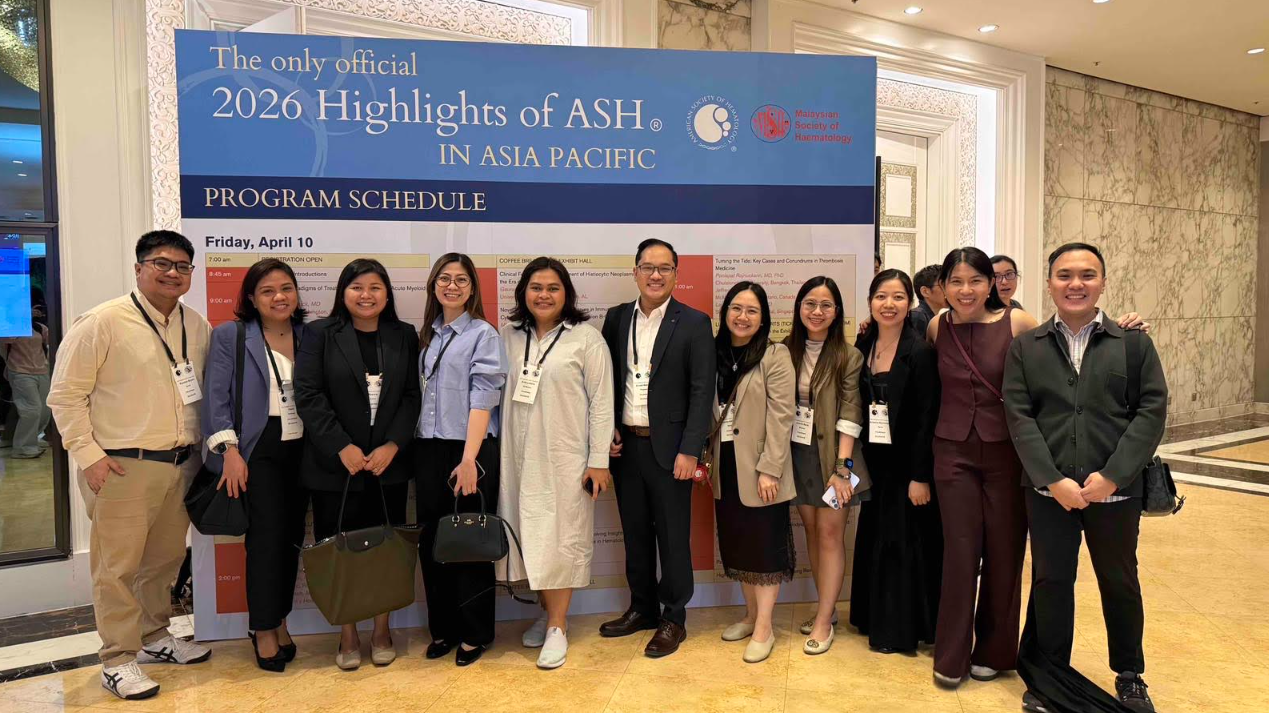
 2026 Highlights of ASH in Asia Pacific (Malaysia)
It was another meaningful and engaging gathering for the society and trainees from across the
Asia Pacific region as we convened for the 2026 Highlights of ASH in Asia Pacific, held in
Malaysia. The event brought together hematology experts, fellows, and practitioners in a
collaborative environment that fostered both learning and regional camaraderie.
In contrast to previous years, the program was structured such that the first two days were
dedicated to the main scientific sessions, while the Clinical Research Trainee Day was
conducted on the third day. This allowed fellows to first immerse themselves in the latest
updates in hematology before transitioning into a more interactive and collaborative learning
experience.
The scientific sessions over the first two days were highly engaging, with topics that were not
only timely but also very relatable and practical to local clinical practice. Discussions covered
evolving treatment paradigms in acute leukemias and lymphomas, advances in
immunotherapy, transplantation, thrombosis, and cellular therapies, as well as the emerging
role of artificial intelligence in hematology. The sessions were complemented by dynamic panel
discussions that encouraged participation and critical exchange of ideas.
The fellows actively engaged in the discussions, raising practical and clinically relevant concerns.
Dr. Rene Amadore Jr., fellow from PGH, inquired about the utility of the Mentzer index in
differentiating iron deficiency anemia from thalassemia in pregnant patients, and sought expert
opinion on the use of sucrosomial iron as an alternative for those with intolerance to
conventional oral preparations, while also questioning the routine use of ferritin testing in
pregnancy despite recommendations for iron supplementation in standard reference
textbooks. Meanwhile, Dr. Kristian David, fellow from UST, raised questions on pragmatic
approaches to disease monitoring in low- to middle-income settings, particularly the possible
use of serum biomarkers such as LDH and beta-2 microglobulin when MRD assessment is not
readily available.
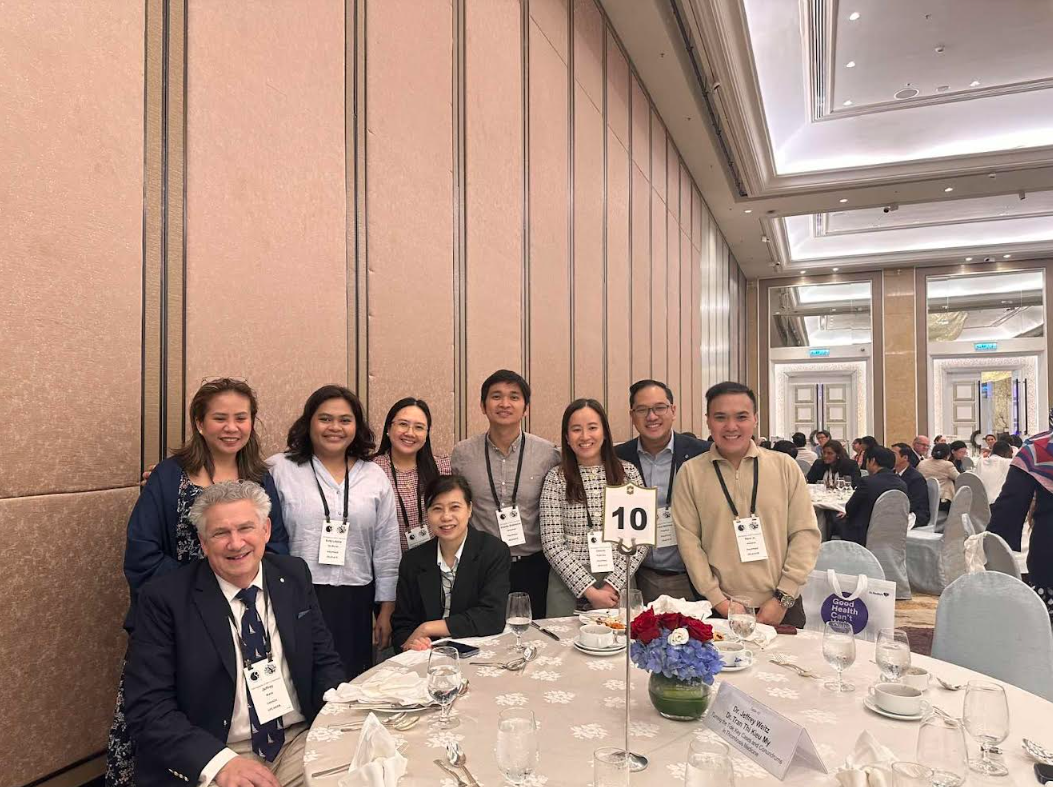
The “Lunch with the Experts” sessions remained a highlight of the program, providing delegates
with valuable opportunities for small-group discussions with internationally recognized
hematologists. These interactions allowed for deeper exploration of clinical dilemmas and
practical management strategies, further enriching the overall learning experience.
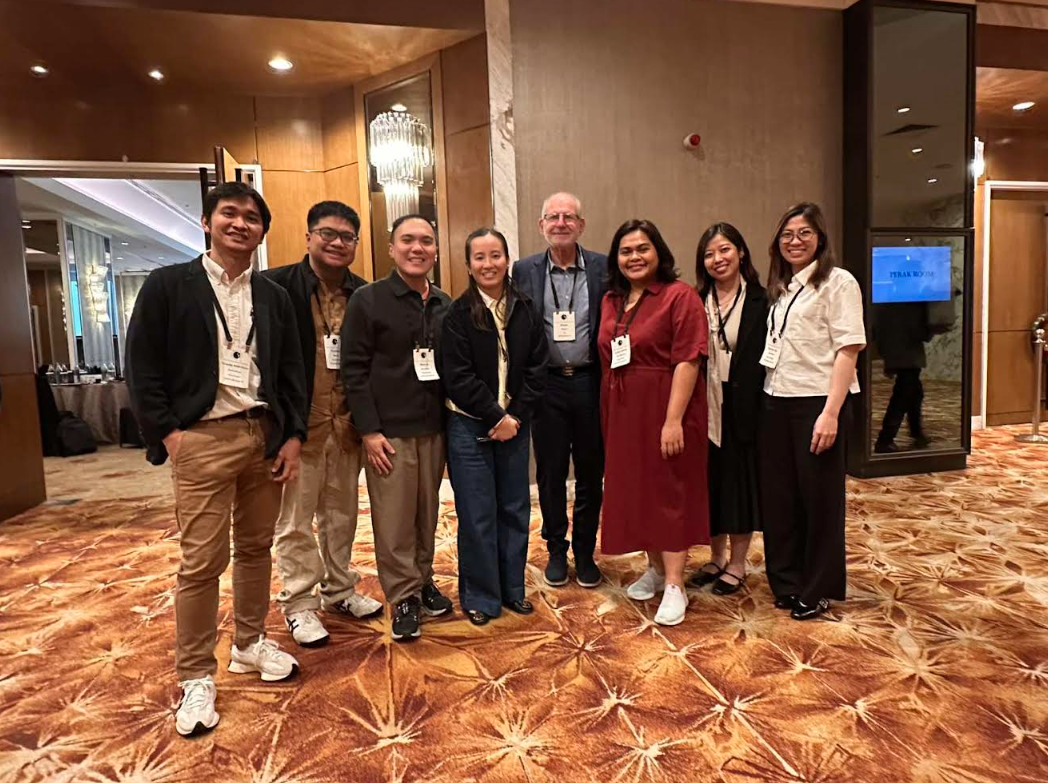
On the third day, fellows participated in the Clinical Research Trainee Day, where they were
grouped into small teams alongside renowned hematologists from different parts of the world.
The intimate setting fostered open discussion, collaboration, and mentorship, allowing
participants to gain meaningful insights into research development, study design, and academic
growth. The experience was widely regarded as highly impactful and instrumental in shaping
the fellows’ perspectives as future clinician-researchers.
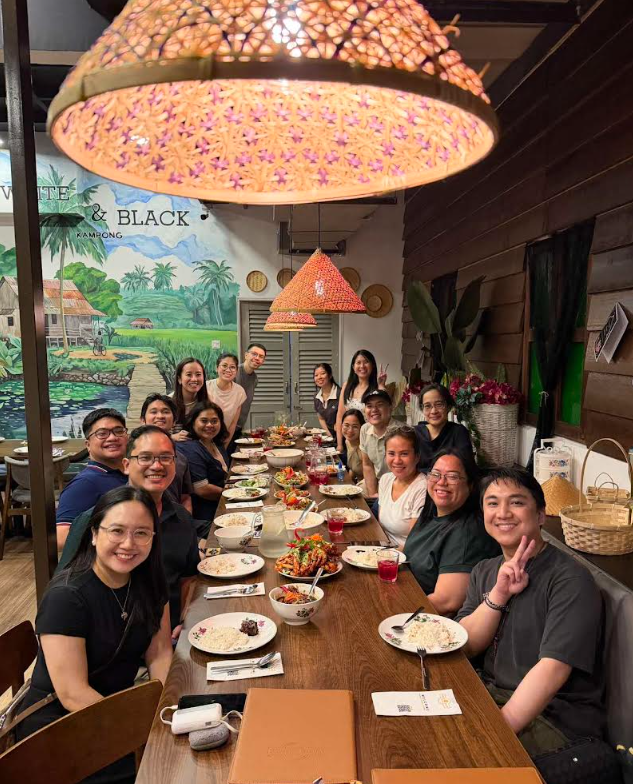
Beyond the academic sessions, attendees also had the opportunity to appreciate the rich
culture of Malaysia. The group visited iconic landmarks such as the Petronas Twin Towers and
Batu Caves, and enjoyed local cuisine together with PCHTM leaders and officers. These shared
experiences further strengthened professional relationships and camaraderie among
participants.
Overall, the 2026 Highlights of ASH in Asia Pacific (Malaysia) successfully delivered a program
that was academically robust, highly engaging, and grounded in real-world applicability. The
meeting once again emphasized the value of regional collaboration in advancing hematology
education, research, and patient care.